What Is Kratom and Where Does It Come From?

How long does kratom last timing and effects guide image

Last Updated: October 14, 2026

What Is Kratom? A Botanical Answer

Kratom is the common name for the dried leaves of Mitragyna speciosa, a tropical evergreen tree in the coffee family. This guide from INDOKRATOM.CA explains the plant’s botany, its Southeast Asian origins, and how the leaf moves from forest to finished botanical product.

The tree belongs to the Rubiaceae family, the same botanical family as coffee. It grows naturally across parts of Southeast Asia, including Indonesia, Malaysia, and Thailand, where the leaves have a long history of traditional use. What is kratom, exactly, in practical terms? It is a plant material: leaves that are harvested, dried, and processed into powder, capsules, or extract. In Canada, kratom is regulated as a natural health product, and the Natural Health Products Regulations set out how such products must be handled.

Most people encounter kratom as a finished botanical product, not as a living tree. The details that matter, origin, alkaloid content, and labeling, all trace back to how and where the leaf was grown.

What Plant Does Kratom Come From?

Kratom comes from Mitragyna speciosa, a tropical evergreen tree in the Rubiaceae family, the same family as coffee. The tree produces large, glossy, dark green leaves with prominent veins, and it is those leaves, not the bark or root, that are harvested for botanical use.
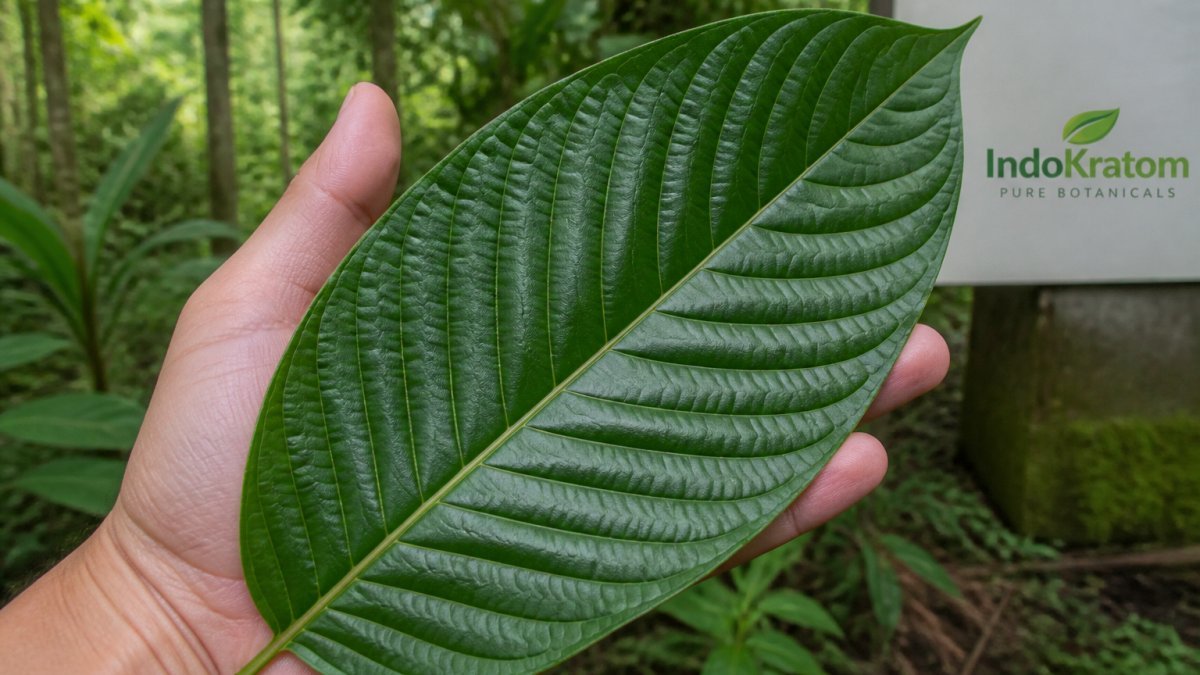
Close-up photograph of a large, glossy dark green Mitragyna speciosa leaf with visible veins, held in an open hand outdoors, blurred tropical forest background

How the Tree Grows and How Leaves Are Harvested

Mitragyna speciosa thrives in humid, tropical lowland conditions, often near rivers and in moist forest soil. It can reach several meters in height, and the leaves are typically picked by hand, then dried in the sun or in shaded, ventilated spaces.

Harvest timing and drying method both affect the final leaf. A common mistake is assuming all dried leaf is equivalent. In practice, the age of the leaf at harvest and the drying conditions change the alkaloid profile, which is why sourcing transparency matters more than most buyers realize.

Where Does Kratom Grow?

Kratom’s native range sits within the tropical belt of Southeast Asia, and the plant is most closely associated with three countries: Indonesia, Malaysia, and Thailand. Within those borders, it is not evenly distributed. Mitragyna speciosa favors humid, lowland tropical environments, riverbanks, swamp margins, and moist forest soils, typically below a few hundred meters in elevation, where rainfall is heavy and fairly consistent year-round. It is a tree of wet, warm places, not of dry or highland terrain.

Indonesia is widely described as the largest source of commercially traded leaf, with the bulk of supply associated with provinces in Borneo (Kalimantan) and parts of Sumatra. Malaysia and Thailand also have long-standing local relationships with the plant, and southern Thailand in particular has a documented traditional history of leaf use. The World Health Organization’s review of kratom notes the plant’s broad regional distribution and the variation in local practices across these areas.

A useful distinction that most overviews skip is the difference between the tree’s natural habitat and commercial cultivation. Wild and semi-wild trees grow in mixed forest and along waterways, often on smallholder land rather than in uniform plantations. Commercial supply frequently draws on these semi-cultivated or wild stands, which means growing conditions, soil chemistry, water availability, shade, tree age, can vary widely from one harvest area to the next. That variability is botanical, not a marketing point: it is one reason leaf from different regions and seasons can differ in character.

From Plantation to Powder: How the Supply Chain Works

The path from tree to finished botanical material usually follows a recognizable sequence, though the details vary by region and supplier:

  1. Harvest. Leaves are typically picked by hand, often from wild or semi-cultivated trees. Pickers may select leaves by size, color, or position on the branch, and harvest timing can shift with the season.
  2. Drying. Fresh leaves are dried, either in direct sun or in shaded, ventilated spaces. Drying method and duration influence the final leaf, and different producers use different approaches.
  3. Sorting and milling. Dried leaf is sorted, sometimes by color or vein characteristics, then milled into powder or further processed into extract.
  4. Testing and packaging. Finished material may be tested, packaged, and prepared for export. Testing practices vary widely across the supply chain.

What most guides gloss over is the middle of that chain. Leaf can pass through multiple hands, collectors, local aggregators, drying operations, mills, exporters, before it becomes a finished product. Each transfer is a point where identity, consistency, and quality can drift. A single finished package may blend material from several harvest areas or seasons, which is why batch-level documentation matters more than a country-of-origin label alone.

Watch Out
A common mistake is treating “wild-harvested” or a country name as a quality guarantee. Origin describes where leaf came from, not how it was handled, dried, stored, or tested. Without lab testing, you cannot confirm alkaloid content or check for contaminants.

For anyone evaluating botanical material, the practical takeaway is that geography sets the starting conditions, but the supply chain determines what actually ends up in the package.

What Is Mitragynine and Why It Matters

Mitragynine is the primary alkaloid found in Mitragyna speciosa leaves, and it is the compound most often studied in kratom research. A related alkaloid, 7-hydroxymitragynine, appears in much smaller amounts but is also a focus of pharmacological study.

Alkaloids are naturally occurring nitrogen-containing compounds, and kratom leaves contain dozens of them. Mitragynine is the most abundant, and its presence is what distinguishes kratom leaf from other botanical materials. Research interest centers on how these alkaloids interact with opioid receptors, though the clinical picture remains incomplete.

What is mitragynine, in plain terms? It is the marker compound that labs measure to characterize a kratom product. When a lab analysis reports a mitragynine percentage, that figure describes the alkaloid concentration of that specific batch.

Traditional Uses of Kratom in Southeast Asia

Traditional uses of kratom in Southeast Asia center on the leaves, which were historically chewed, brewed as a tea, or dried and powdered. It also featured in local medicinal and social practices.

Preparation varied by community. Fresh leaves might be chewed directly, while dried leaves were boiled into a tea or ground into powder. The U.S. National Institute on Drug Abuse’s kratom overview documents these traditional patterns and notes that the plant’s effects have been described as both stimulant-like at lower amounts and opioid-like at higher amounts, though the science here is still developing.

Shop Today! →

How Kratom Is Prepared and Labeled

Kratom is prepared in three main forms: dried leaf powder, capsules, and extracts.

A useful label should tell you the species name, the plant part used, the batch or lot number, and the alkaloid content. Here is a quick reference for what to check:

Label Element Why It Matters Red Flag If Missing
Species name (Mitragyna speciosa) Confirms botanical identity Generic “kratom” only
Plant part (leaf) Leaf is the standard material No part listed
Alkaloid content Describes the batch No mitragynine figure
Third-party test reference Verifies quality claims No testing mentioned

What Research Says and Where the Gaps Are

Research on Mitragyna speciosa is growing, but it is uneven, and the single most useful skill for a reader is learning to tell different kinds of evidence apart. Not all “kratom research” carries the same weight, and much of what circulates online blurs the categories. A simple evidence hierarchy helps.

Established botanical facts. These are well documented and not seriously disputed. Mitragyna speciosa is a tropical evergreen in the Rubiaceae family. Its leaves contain a complex mix of alkaloids, with mitragynine the most abundant and 7-hydroxymitragynine present in much smaller amounts. The plant has a long recorded history of traditional use in parts of Southeast Asia. These are descriptive, botanical claims, the foundation everything else builds on.

Early pharmacological findings. Laboratory and animal studies have examined how kratom alkaloids interact with opioid receptors and other targets. This work is genuinely interesting, but it is mostly preclinical. Findings from cells or animal models do not automatically translate to humans, and the mechanisms are not fully mapped. Treat these as leads, not conclusions.

Observational and survey data. Some research draws on user reports, surveys, and observational patterns. This kind of data can describe what people report, but it cannot establish cause and effect, and it is vulnerable to recall bias, self-selection, and inconsistent reporting. It is context, not proof.

Unproven health claims. A large share of what appears in marketing and forums falls here. Claims about specific benefits, amounts or outcomes are frequently asserted without controlled evidence. The absence of evidence is not proof of harm, but it is also not proof of benefit, and it should not be presented as settled.

That hierarchy matters because the honest position on kratom is genuinely mixed: the botany is solid, the traditional record is long, and the pharmacology is early-stage. A common mistake is treating a preliminary finding as if it were a clinical result, or treating a user report as if it were data.

Where does that leave a careful reader? Focus on what can actually be verified rather than on unresolved questions. Species identity, plant part, testing, and clear labeling are all checkable. The Health Canada’s guidance on natural health products sets out the regulatory framework for how such products are handled here, and it is worth reading before relying on any single source, including this one.

Key Takeaway
The strongest position on kratom research is not “it works” or “it doesn’t.” It is knowing which claims rest on established botany, which rest on early pharmacology, which rest on user reports, and which rest on nothing verifiable at all. That distinction is the difference between reading evidence and reading marketing.

Frequently Asked Questions

What kind of plant does kratom come from?

Kratom is the common name for Mitragyna speciosa, a tropical evergreen tree in the Rubiaceae family, the same botanical family as coffee. The plant grows naturally across parts of Southeast Asia, including Indonesia, Malaysia, and Thailand. Its leaves are the part most often dried, ground into powder, or prepared in other forms. Understanding the botanical identity matters because it separates kratom from unrelated plants that are sometimes confused with it in casual conversation.

Where does kratom grow naturally?

Kratom grows naturally in tropical regions of Southeast Asia, particularly Indonesia, Malaysia, and Thailand. The tree prefers warm, humid climates with consistent rainfall and well-drained soil, which is why it thrives in river valleys and forested lowlands. Outside its native range, cultivation is limited because the plant is sensitive to cold and needs year-round warmth. Most dried leaf material sold internationally is harvested from trees grown in these Southeast Asian regions.

What is mitragynine?

Mitragynine is the most abundant alkaloid found in Mitragyna speciosa leaves. A related alkaloid, 7-hydroxymitragynine, is present in much smaller amounts. Alkaloid content in any given leaf varies with the tree’s age, growing conditions, harvest timing, and how the leaf is dried and processed.

How has kratom been used traditionally?

In parts of Southeast Asia, kratom leaves have a long history of traditional use. Laborers and farmers reportedly chewed fresh leaves during long workdays, and dried or boiled leaves were sometimes prepared as a tea. These uses were tied to local customs and often passed down informally.

What parts of the kratom plant are used?

The leaves are the primary part of Mitragyna speciosa used in traditional and contemporary contexts. Leaves are typically harvested by hand, then dried and either left whole, crushed, or ground into a fine powder. Some preparations involve boiling the leaves, while others use dried leaf material directly. The stem and roots are not the focus of most traditional or modern preparations.

What is known about kratom’s effects and risks?

Product quality also varies, and contamination has been reported in some market samples.


The hardest part of evaluating any botanical product is separating verifiable facts from marketing claims. INDOKRATOM.CA addresses that directly with lab-tested products, and a straightforward shopping experience built for quick product discovery. Our focus stays on product quality and competitive pricing rather than unnecessary complexity. Get started with INDOKRATOM.CA and find the botanical products you need with confidence.
What Are Kratom Leaves Used For? Effects and Risks

How long does kratom last timing and effects guide image

Last Updated: October 8, 2026

What Are Kratom Leaves Used For? A Straight Answer

Kratom leaves come from Mitragyna speciosa, a tropical tree in the coffee family, and they are used in two very different ways: as a traditional preparation in Southeast Asia and as a self-managed botanical product elsewhere. The leaves contain alkaloids that interact with opioid receptors, which is why interest in them centers on pain, energy, mood, and withdrawal support.

The short answer: people use kratom leaves for symptomatic relief of chronic pain, for a stimulant-like lift at low amounts, for a sedative-like calm at higher amounts, and, controversially, to manage opioid withdrawal. None of that makes the plant harmless.

Below, we break down the traditional uses, the pharmacology, the reported effects, and the withdrawal picture, so you can weigh the claims yourself.

Traditional Kratom Use Across Southeast Asia

Traditional kratom use in Thailand, Malaysia, and Indonesia centered on chewing fresh leaves or brewing them as a tea. Workers used small amounts to push through long physical shifts in heat, while larger amounts were taken for pain and to ease the discomfort of opioid withdrawal.

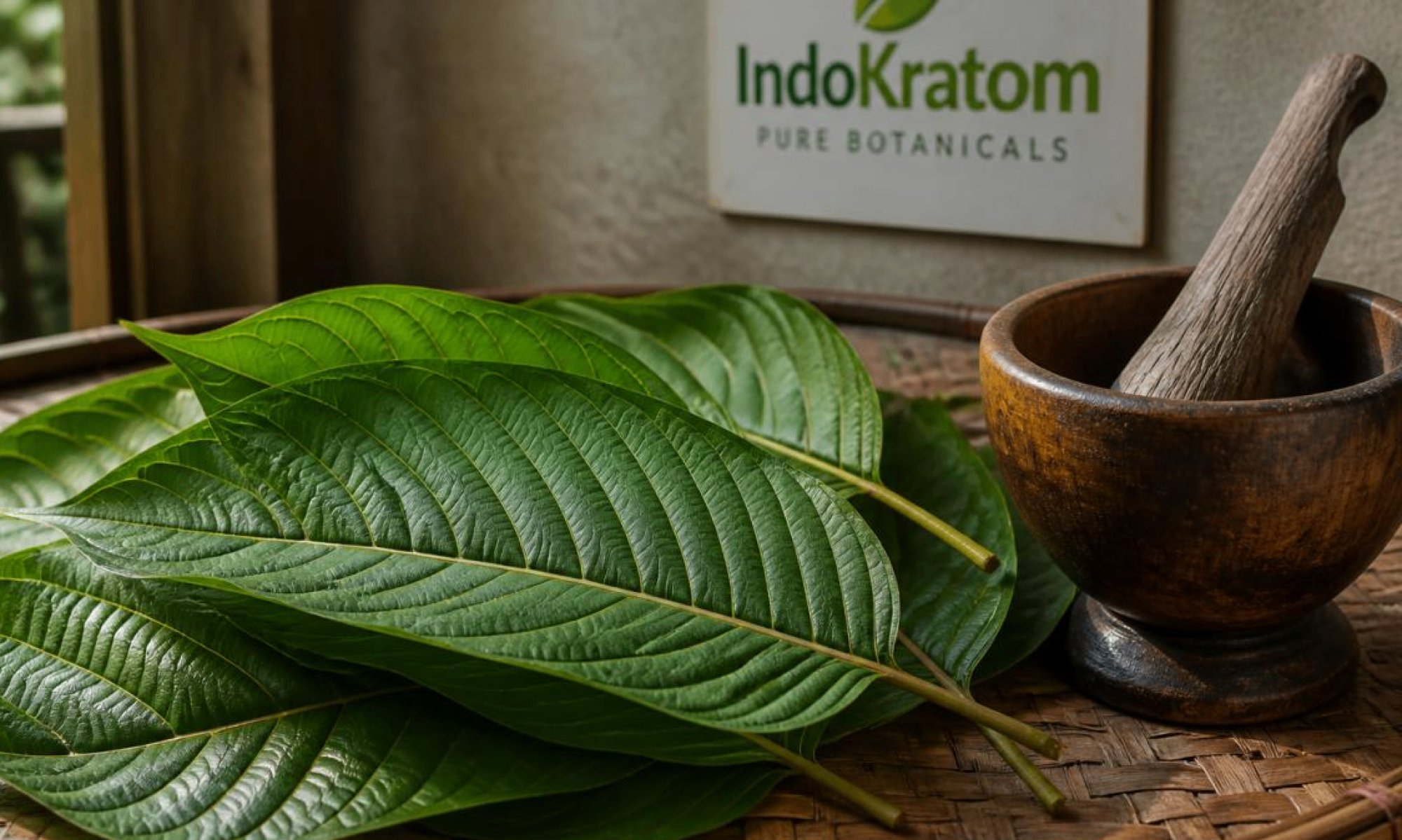
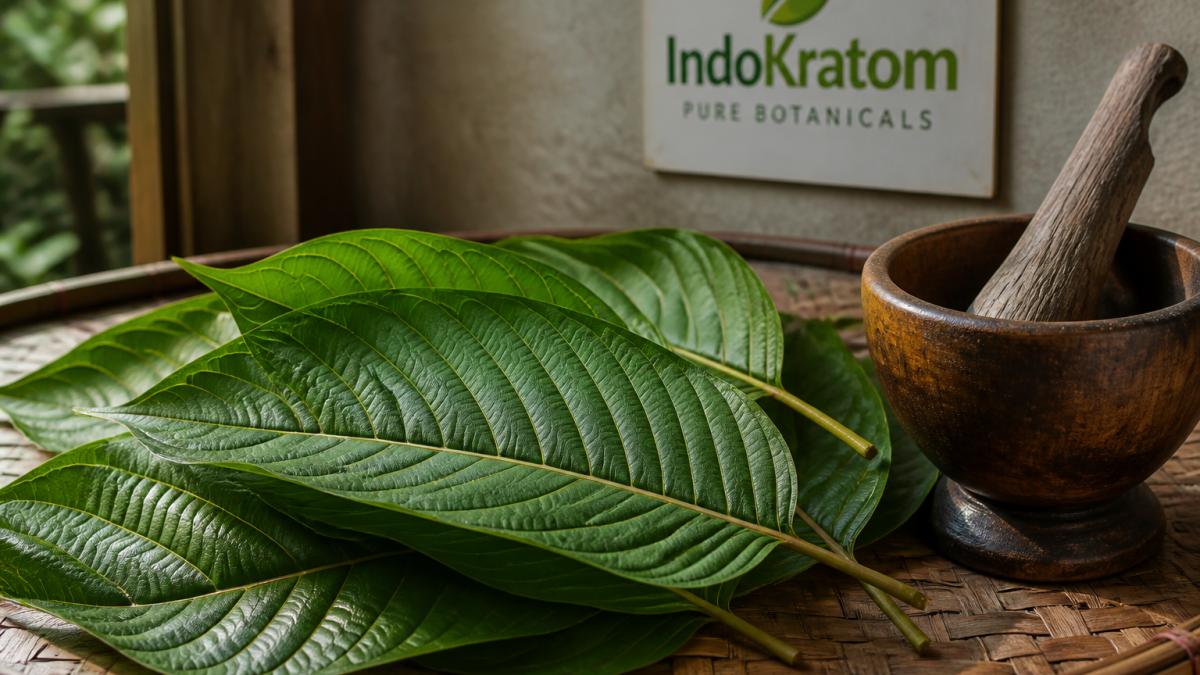
Fresh green kratom leaves with visible veins arranged on a rustic woven mat beside a traditional wooden tool

What most Western write-ups miss is that traditional use was rarely recreational in the modern sense. It was functional: a cheap, available way to manage fatigue and pain in places where formal medicine was out of reach.

What Is Mitragynine and Why It Matters

Mitragynine is the most abundant alkaloid in kratom leaves, typically making up the majority of the total alkaloid fraction, and it is the compound most responsible for the plant’s opioid-like activity. It binds to mu-opioid receptors in the central nervous system, which explains both the analgesic effect and the dependence potential. A second alkaloid, 7-hydroxymitragynine, is present only in trace amounts but is considerably more potent at the same receptor.

That potency gap is the whole story. Mitragynine dominates by weight, but 7-hydroxymitragynine punches above its concentration, and researchers believe it drives much of the analgesic effect. Mitragynine is also partly converted into 7-hydroxymitragynine in the body through liver enzymes, which means the two compounds are linked rather than independent.

Mitragynine vs. 7-Hydroxymitragynine

The practical difference is dose sensitivity and receptor behavior. Mitragynine produces stimulant-like effects at low exposure and more sedative-like effects as the amount rises, a pattern consistent with its activity at adrenergic and serotonergic pathways in addition to opioid receptors. 7-Hydroxymitragynine is the one tied to the stronger analgesic and respiratory-depressant concerns because of its higher receptor affinity.

Because leaf material varies in how much of each alkaloid it contains, the same weight of powder from two sources can behave differently. Alkaloid content shifts with the plant’s origin, harvest age, drying method, and even the vein color of the leaf. That variability is the core safety problem with unregulated botanical material, and it is why laboratory analysis of alkaloid content matters more than a strain name on a label.

How the Alkaloids Are Metabolized

Both mitragynine and 7-hydroxymitragynine are processed primarily by cytochrome P450 enzymes in the liver, particularly the CYP3A4 pathway. This is the same enzyme family that handles a large share of prescription medications, including many antidepressants, antifungals, and pain drugs. When two substances compete for the same enzyme, one or both can build up in the body or clear faster than expected.

That is not a theoretical concern. It is the mechanism behind most reported kratom-drug interactions, and it is why anyone reviewing the literature on kratom leaves needs to look at the metabolic pathway, not just the receptor. The half-life of mitragynine is relatively short, which is part of why effects fade within hours and why frequent redosing is a common pattern among regular users, and a common driver of escalating intake.

Key TakeawayAlkaloid content is not fixed. Origin, harvest timing, drying, and vein color all shift the ratio of mitragynine to 7-hydroxymitragynine, which is why two batches of the same labeled product can produce different effects. Lab testing is the only way to know what is actually in a given lot.

Reported Uses: Pain, Energy, Focus, and Mood

People report using kratom leaves for four main purposes, and the pattern is consistent across surveys and clinical reports:

  • Chronic pain: the most common reason cited, particularly for back pain and joint pain where people want an alternative to prescription opioids.
  • Energy and focus: low amounts are described as stimulant-like, similar to a strong coffee, which is why some professionals use them during high-stress work periods.
  • Mood and anxiety management: users describe a lift in mood and reduced anxiety, though this is the least studied claim.
  • Opioid withdrawal: self-management of craving and abstinence symptoms, which is the most clinically significant and most contested use.

A common mistake is assuming “natural” means “predictable.” It doesn’t. The same person can get an energy effect one day and sedation the next, because leaf potency and alkaloid ratios shift from batch to batch. This is exactly why lab testing matters.

Kratom Effects and Risks You Should Know

The reported adverse effects range from manageable to serious. Common complaints include nausea, constipation, dizziness, drowsiness, and dry mouth. More concerning are seizures, psychiatric symptoms such as agitation or psychosis, cardiovascular effects including elevated heart rate and blood pressure. Regular use carries a real risk of substance dependence, and the withdrawal picture can be genuinely unpleasant.

Shop Today! →

Health Canada’s guidance on kratom and unapproved health products notes that kratom is not authorized for sale as a health product, so products marketed for ingestion sit outside the regulated framework. Futher, all products must be labelled “Not For Human Consumption”. That is a legal fact worth understanding before assessing any claim about the leaves.

Watch OutMixing kratom with alcohol, benzodiazepines, or other sedatives raises the risk of respiratory depression. The combination is one of the most frequently cited factors in serious adverse events, and it is avoidable.

Medication Interactions: What the Guides Skip

Most write-ups mention interactions in a single vague sentence. The mechanism deserves more detail because it is the same one that governs many prescription drugs. Kratom alkaloids are processed by cytochrome P450 enzymes in the liver, particularly CYP3A4, so combining kratom leaves with medications that use the same pathway can change how those drugs behave in the body.

Substance class Reported interaction concern
Benzodiazepines and sedatives Additive central nervous system depression; respiratory risk
Opioid pain medications Additive respiratory depression and dependence risk
Antidepressants (SSRIs, MAOIs) Serotonergic activity may raise risk of serotonin-related effects
Antipsychotics Shared metabolic pathway can alter blood levels of either substance
Certain antifungals and antibiotics CYP3A4 inhibition can slow alkaloid clearance
Alcohol Additive sedation and impaired coordination

This table is a starting point, not a complete list. Anyone on prescription medication should treat this as a genuine interaction risk and review it with a pharmacist or physician rather than assuming the plant is inert.

Preparation and Dosing Safety

Competitors tend to explain why people use kratom leaves but skip how preparation affects what is actually delivered. The two common forms behave differently. Brewing leaves as a tea extracts water-soluble compounds and traditionally discards the leaf matter, while powdered leaf is consumed whole, which means the full alkaloid load and plant fiber reach the digestive tract. That difference affects onset, duration, and gastrointestinal side effects.

A few harm-reduction principles show up consistently in the literature:

  • Start low and go slow. Because alkaloid content varies by batch, a familiar weight from one lot may not match the next.
  • Avoid stacking substances. Combining kratom with sedatives, alcohol, or other opioids is the pattern most associated with serious outcomes.
  • Keep records. Logging the batch, amount, and time of day lets you trace a reaction to a specific lot rather than to “kratom” in general.
  • Watch for red flags. Chest pain, seizures, severe abdominal pain, or signs of liver trouble warrant medical attention, not a wait-and-see approach.

Strain Differences: Reported, Not Proven

Leaves are commonly grouped by vein color, red, green, and white, and users report distinct effects: red for relaxation and pain, green for balanced mood, white for energy and focus. The honest position is that these differences are reported rather than rigorously proven, and much of the variation likely comes from alkaloid content and harvest timing rather than vein color alone. Treat strain names as a starting point, not a guarantee.

Pro TipIf you are tracking use for research or personal records, log the amount, and the time of day. Batch-to-batch variation means a reaction you attribute to “kratom” may actually be one specific lot, and without records you cannot tell the difference.

Kratom Withdrawal Symptoms and Dependence

Kratom withdrawal symptoms resemble opioid withdrawal, though typically milder. Reported symptoms include craving, anxiety, irritability, insomnia, muscle aches, runny nose, and digestive upset. Symptoms usually appear within hours of stopping regular use and ease over several days, though some people report a longer tail of mood disturbance.

Dependence develops with regular, sustained use, and the risk rises with amount and frequency. This is the part that gets downplayed in enthusiast communities. If someone is using kratom leaves daily to manage pain, they are likely dependent, whether or not they’d use that word. The Canadian Centre on Substance Use and Addiction publishes broader guidance on substance dependence and harm reduction that applies to this conversation.

Conclusion: Making Sense of Kratom Leaves

The honest summary is that kratom leaves are used for pain, energy, mood, and withdrawal support, backed by a mix of long traditional use and a still-thin clinical evidence base. The pharmacology is real, the dependence risk is real, and the regulatory status in Canada means these products sit outside approved health channels.

At INDOKRATOM.CA, we keep our role narrow and transparent: lab-tested botanical material for in vivo research, sold with clear terms and no ingestion claims. Our simplified site loads fast and stays reliable during busy ordering periods, our navigation works the same on desktop and mobile, and we focus our budget on product quality and testing rather than elaborate features. If you’re sourcing botanical material for research, start there and read the terms before you order.

Frequently Asked Questions

What is mitragynine?

Mitragynine is the most abundant alkaloid in kratom leaves, making up roughly 60% of the plant’s total alkaloid content. It interacts primarily with opioid receptors in the body and is the compound most studied in clinical research on kratom. A smaller amount converts to 7-hydroxymitragynine, a related alkaloid that binds more strongly to those same receptors. Together, these two compounds account for most of the pharmacological effects researchers associate with kratom leaves, though the full picture involves more than 40 identified alkaloids.

What are the withdrawal symptoms of kratom?

Kratom withdrawal symptoms reported in clinical research include muscle aches, insomnia, irritability, anxiety, sweating, nausea, and strong cravings. Symptoms typically appear within 12 to 24 hours of stopping regular use and can last several days. The intensity depends on how much and how often kratom leaves were used. Some people describe the experience as milder than opioid withdrawal, while others report it as significantly uncomfortable. Anyone managing substance dependence should seek guidance from a healthcare provider rather than stopping abruptly without support.

What risks have researchers associated with kratom?

Published research links kratom to several adverse effects, including dependence, liver toxicity in rare cases, seizures, and cardiovascular problems such as elevated heart rate and blood pressure. Psychiatric issues like confusion, agitation, and hallucinations have been reported at high doses. Because kratom leaves contain multiple alkaloids that interact with opioid receptors, combining them with alcohol, benzodiazepines, or other sedatives increases risk. Anyone taking prescription medications should speak with a pharmacist or physician before using any botanical product.

What does current research say about traditional kratom use?

Ethnographic and pharmacological studies document traditional kratom use in Southeast Asia stretching back centuries. Communities there chewed fresh leaves for energy during long workdays, brewed teas for digestive ailments, and used preparations for symptomatic relief of pain and opioid withdrawal. Researchers note that traditional consumption methods and doses differed substantially from concentrated modern products, which is one reason clinical findings do not always map cleanly onto historical accounts. More controlled human trials are needed before drawing firm conclusions about therapeutic potential.

error: Restricted!