Table of Contents
- What a Red Bali Kratom Review Can and Cannot Tell You
- Kratom Strain Names Explained: What the Red Bali Label Actually Means
- Red Bali vs Green Bali: How Vein Color Changes the Label
- Red Bali vs Red Maeng Da: Two Red Labels, Two Different Profiles
- Research-Only Botanical Product Handling: What Good Practice Looks Like
- How to Compare Red Bali Kratom Products Before You Order
- Frequently Asked Questions
Last Updated: October 19, 2026
What a Red Bali Kratom Review Can and Cannot Tell You
A Red Bali kratom review can describe how a strain label is built, how vein color shapes that label, and how products are handled and compared. It cannot tell you what a product will do to a person. At INDOKRATOM.CA, every botanical product we sell is strictly for in vivo research only, not involving humans or animals, and is not approved or sold for consumption.
That distinction matters before anything else. Most strain write-ups blur the line between a product description and a health claim. We won’t do that here.
What this guide covers instead:
- How the Red Bali label is constructed and what it does and does not verify
- How Red Bali compares to Green Bali and Red Maeng Da
- How to handle research-only botanical material properly
- How to compare products before ordering
Below, we walk through each of those in order. If you are looking for a dosing chart or a promise about how a strain feels, this is not that article, and no honest one could be.
Kratom Strain Names Explained: What the Red Bali Label Actually Means
Kratom strain names are trade labels, not botanical classifications. A name like Red Bali combines a vein color (red) with a place name (Bali). Neither part is standardized, and neither is independently verified by any regulator.
The “red” refers to vein color at harvest, a visual cue growers use. The “Bali” refers to a region associated with the leaf’s supposed origin. In practice, leaf moves through long supply chains, and a label is only as good as the supplier applying it.
Three things a label does not tell you:
- The actual alkaloid content, including mitragynine and 7-hydroxymitragynine levels
- Leaf maturity at harvest
- Whether the named region has anything to do with the material in the bag
This is the gap between strain labels and verified chemistry. A label describes a category. It does not describe a batch.
Treating a strain name as a quality guarantee is the most common mistake in this category. Two products with identical labels can differ in alkaloid content, grind consistency, and handling. Ask what documentation accompanies the batch, not what the label says.
Red Bali vs Green Bali: How Vein Color Changes the Label
The difference between Red Bali and Green Bali is the vein color named on the label, which reflects harvest timing. Red typically indicates later-harvested leaf; green indicates earlier. That is the labeling convention. It is not a verified chemical profile, and no regulator standardizes it.
What changes between the two labels:
| Attribute | Red Bali label | Green Bali label |
|---|---|---|
| Named vein color | Red | Green |
| Typical harvest cue | Later maturity | Earlier maturity |
| Label standardization | None | None |
| Verified alkaloid data | Not implied | Not implied |
| What it tells a researcher | Category only | Category only |
Why the color on the bag is a weak predictor
A strain comparison built purely on color names is a comparison of labels. The vein color is a visual cue recorded at harvest, and it travels through the supply chain as a word on a bag, not as a measured value. By the time material reaches a listing, the color descriptor has passed through growers, aggregators, exporters, and repackagers, each of whom may apply it differently.
Three reasons the label and the chemistry can diverge:
- Harvest timing is not the only variable. Leaf age, drying method, and storage conditions all shape the finished material, and none of them appear on the label.
- Blending is common. Material from different harvests or regions is frequently combined before sale, so a single color descriptor may describe a mixture rather than a single source.
- Alkaloid content is batch-specific. Even within one label, mitragynine and 7-hydroxymitragynine levels can vary from batch to batch. The label does not carry that information.
What a transparent comparison actually looks like
Instead of ranking red against green on the strength of a name, compare the two listings on consistent, checkable criteria:
- Stated documentation. Does the supplier describe what testing was performed on the batch, and can it be tied to the specific lot?
- Batch consistency. Is there a described process for keeping batches uniform, or does the listing go silent after the strain name?
- Handling notes. Are storage, sealing, and shipping conditions described in specific terms?
- Physical comparability. Grind consistency, color, and aroma can be compared side by side on receipt, which tells a researcher more about batch differences than either label does.
- Listing transparency. Are the ordering terms, processing window, and payment method stated plainly, or buried?
A comparison built on those five criteria produces a defensible answer. A comparison built on color names produces a preference.
Our position is simple: buy the documentation, not the color. A red vein label with no handling information is worth less than a plain label with a clear paper trail.
Do not treat a color descriptor as a proxy for potency or composition. Two products with identical labels can differ in alkaloid content, grind consistency, and handling. Ask what documentation accompanies the batch, not what the label says.
Red Bali vs Red Maeng Da: Two Red Labels, Two Different Profiles
Red Bali and Red Maeng Da are both red labels, and that is where the similarity ends on paper. Maeng Da is a Thai-origin name widely used as a marketing label for what suppliers describe as a distinct profile. Red Bali carries an Indonesian regional name. Neither term is regulated, and neither is tied to a published standard.
So what actually separates them? In practice, very little that can be verified from the name alone. The two labels often describe overlapping material sourced through the same channels. That is not a scandal. It is how an unstandardized market works, and researchers should plan around it rather than argue with it.
A repeatable method for comparing two red labels
Most strain comparisons rank products by vibe. A more useful approach is to score both listings against the same criteria and see whether any real difference survives. Use this framework:
| Criterion | What to check | What a meaningful difference looks like |
|---|---|---|
| Sourcing specificity | Is the origin chain described in concrete terms, or just named? | Named regions, harvest windows, or supplier relationships stated |
| Batch consistency | Is there a described process for keeping lots uniform? | A stated process, not a slogan |
| Documentation | What accompanies the material? | Testing described plainly and tied to the lot |
| Handling notes | Are storage and shipping conditions described? | Specific guidance on sealing, light, moisture, and temperature |
| Listing transparency | Are ordering terms, processing windows, and payment method clear? | Plain terms stated up front |
| Physical comparability | Can the material be compared on receipt? | Grind, color, and aroma described consistently across listings |
If two red labels score identically across all six criteria and carry the same pricing structure, the distinction is naming, not substance. If one listing describes its sourcing and handling in specific terms and the other does not, that difference is real and worth weighing.
What the comparison cannot settle
This framework compares listings, not chemistry. It cannot tell you whether the alkaloid content of two batches matches, because that information is not visible from a product page. It also cannot tell you whether a name like Maeng Da corresponds to any measurable property, because no standard defines it. What the framework can do is separate suppliers who document their material from suppliers who do not, which is the distinction a researcher can actually act on.
Practical next step
When two strain labels look interchangeable on paper, order the smaller quantity first and compare the physical material: grind consistency, color, and aroma. That tells you more about batch differences than either label does. Record what you observe against the batch, and use that record the next time you compare listings.
Build a simple comparison sheet with the six criteria above and score each listing before ordering. A pattern emerges quickly: listings that document their material tend to document everything else too, and listings that rely on hype language tend to stay vague across the board.
Research-Only Botanical Product Handling: What Good Practice Looks Like
Good handling practice for research-only botanical material means treating every batch as a controlled sample: labeled, sealed, weighed, and stored away from food, pets, and children. That standard applies regardless of strain name.
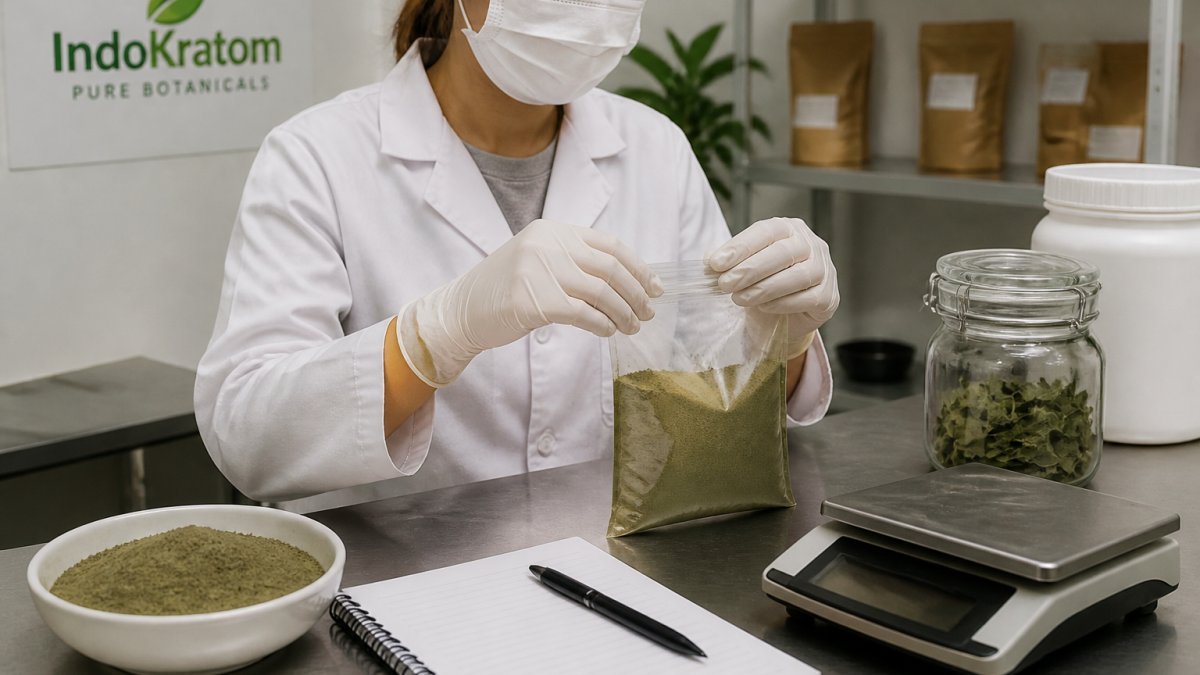
A workable handling routine looks like this:
- Record the product name, batch, and date received on arrival
- Keep material in sealed, labeled containers
- Use a dedicated scale and dedicated tools, never kitchen equipment
- Store away from light, moisture, and food storage areas
- Log any handling so a batch can be traced later
Health Canada has been clear that the ingestion of kratom cannot be encouraged or advertised, and our products are sold on that basis: in vivo research only, not for human or animal consumption. Handle all material with care and at your own risk. Anyone with questions about their own health should speak with a health care provider, not a supplier.
How to Compare Red Bali Kratom Products Before You Order
Comparing Red Bali kratom products comes down to four checks: documentation, batch consistency, handling notes, and how clearly the supplier describes what it is selling. Price matters, but it is the last filter, not the first.
Run this checklist against any listing:
| Check | What to look for | Red flag |
|---|---|---|
| Documentation | Lab testing stated plainly | Vague quality claims |
| Batch consistency | Described process | No mention at all |
| Handling notes | Storage and sealing guidance | None provided |
| Product selection | Clear strain descriptions | Hype language only |
| Ordering terms | Clear payment and processing info | Hidden terms |
At INDOKRATOM.CA, we keep the shopping process plain: lab-tested products, a simplified site that loads quickly on desktop and mobile, and competitive pricing rather than elaborate features. Orders are processed within 24 hours, payment is by eTransfer only, and sales are limited to Canada. Current pricing is listed on our site.
The strongest predictor of a good order is not the strain name. It is whether the supplier tells you plainly what the product is, how it was tested, and how it will be handled and shipped.
Frequently Asked Questions
What does the Red Bali kratom label refer to?
The Red Bali label is a trade name, not a regulated classification. It typically combines a vein color (red) with a regional name (Bali), and vendors use it to describe a product profile. No standard body verifies that a product labeled Red Bali was grown in Bali or matches a fixed chemical profile. Treat the label as a starting point for comparison, then check what the supplier discloses about sourcing, batch consistency, and alkaloid content before you order.
How is Red Bali different from Green Bali?
The difference sits in the vein color on the label. The practical takeaway for a Red Bali vs Green Bali comparison is that the label signals a different intended profile, so read the supplier’s batch notes rather than assuming the two are interchangeable.
Are kratom strain names standardized?
No. There is no standard naming body for kratom strain names, so two suppliers can use the same label for products that differ in leaf maturity, alkaloid content, and batch consistency. Names like Red Bali, Red Maeng Da, and Red Ketapang are marketing categories rather than verified chemistry. When you compare products, weigh sourcing details, disclosed testing, and batch records more heavily than the name on the package.
What factors can make products labeled Red Bali differ?
Several factors shift what a Red Bali product looks like from one batch to the next: leaf maturity at harvest, drying and processing methods, region of origin, storage conditions, and how consistently the supplier blends batches. Alkaloid content, including mitragynine and 7-hydroxymitragynine levels, can vary with all of these. A supplier that documents batch consistency and shares product quality information gives you more to work with than one that only repeats the strain name.
Strain labels will only take a researcher so far, and the rest comes down to the supplier behind them. INDOKRATOM.CA sells lab-tested botanical products for research use only, with a streamlined site built for fast, reliable ordering and clear product listings. Browse the current selection and compare batches directly. Shop with INDOKRATOM.CA and order with confidence.