
Last Updated: October 9, 2026
Is Kratom Safe for Beginners? What the Evidence Shows
Is kratom safe for beginners? No one can promise it is. At INDOKRATOM.CA, we sell botanical products strictly for in vivo research only, not for human or animal consumption.
What follows is an evidence-qualified look at what beginners ask about kratom: what it is, the reported effects, and where the real risks sit. We will not tell you it is safe, only what the research and regulator warnings say.
What Kratom Is and Why It Matters
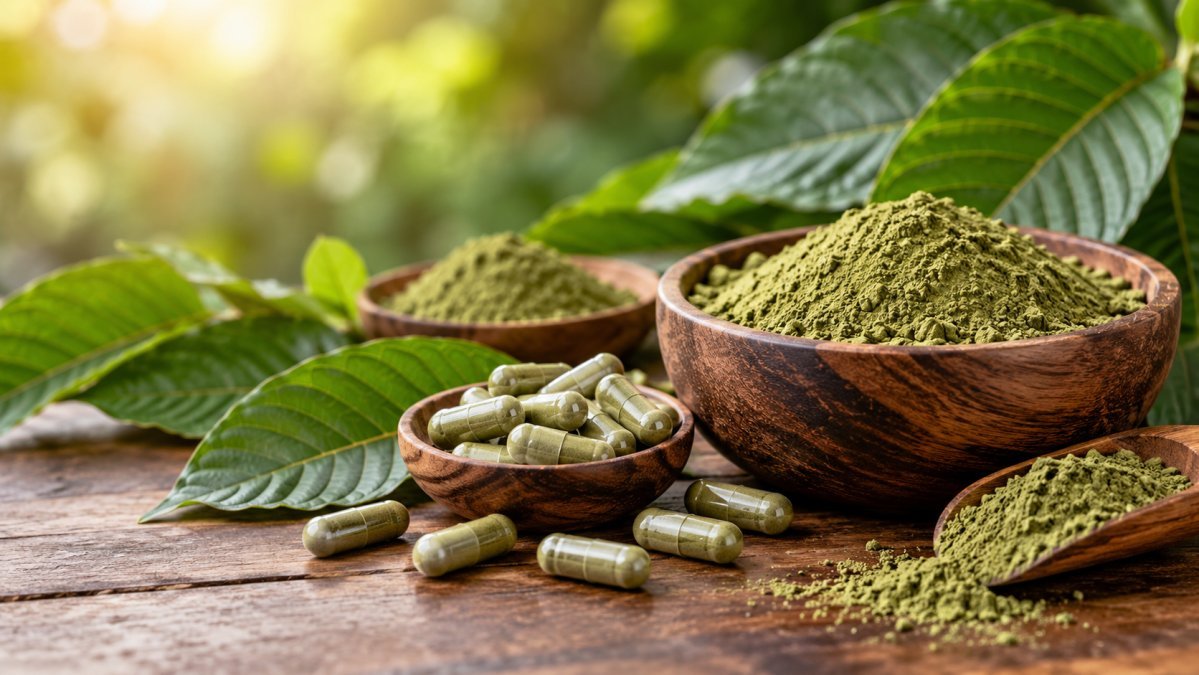
Kratom is the common name for Mitragyna speciosa, a tropical tree in the coffee family whose leaves have long been used in parts of Southeast Asia.
That receptor activity explains why kratom produces psychoactive effects, why it carries dependence risk, and why regulators treat it cautiously.
Health Canada has not authorized kratom as a food, supplement, or medicine, so products sold for human consumption fall outside approved use.
Why Beginners Face Higher Uncertainty
Beginners face higher uncertainty for three reasons: no standard dose, no quality control across the market, and no clinical guidance from a regulator.
Dose matters enormously, small and large amounts can produce very different outcomes, and the same amount can affect two people differently. There is no official recommended dose. Product variability is real: leaf material from different sources can differ in alkaloid content, and contamination is a documented concern.
Kratom Side Effects: What Beginners Should Expect
Kratom side effects range from mild and short-lived to serious and rare. The most commonly self-reported effects include nausea, dizziness, and changes in mood or alertness.
| Evidence type | What it can tell you | What it cannot tell you |
|---|---|---|
| Human clinical research | Controlled comparisons of effects | Long-term outcomes, rare events |
| Self-reported surveys | Common patterns across many users | Cause and effect, dose accuracy |
| Case reports | That a serious event occurred | How often it happens, or why |
| Regulatory warnings | That an authority flagged a concern | A precise risk level for any one person |
Most of what is known about short-term effects comes from self-reports.

Common Short-Term Effects
Short-term effects are the ones people report most often when using too much at one time. They typically include:
- Nausea and stomach upset
- Dizziness or lightheadedness
- Drowsiness or, at lower amounts, stimulant-like effects
The effects people describe often depend on larger amounts: smaller amounts are frequently described as energizing, larger amounts as sedative. That dose-effect pattern is one of the most consistent things reported, and it is why guessing at an amount is risky. One caveat: self-reports are recalled, not measured, so the amount-effect pattern is a general trend rather than a precise rule.
Serious Risks: Liver Injury, Seizures, and More
Serious adverse effects are less common but documented: liver injury and liver toxicity have been reported in connection with kratom products being abused, and cases of seizures have also been described.
Other serious concerns include from usage abuse:
- Cognitive impairment and confusion
- Psychotic symptoms in vulnerable people
- Respiratory depression when combined with other substances
Because these appear mainly in case reports, no one can tell a beginner how likely any of them is. What the reports show is that they happen, sometimes in people with no obvious prior condition, and that combining kratom with other substances is a recurring factor.
Recognizing an Emergency and Getting Help
Some reactions need care right away, not a wait-and-see approach. Treat the following as emergencies:
- Seizure activity or loss of consciousness
- Slow, shallow, or stopping breathing
- Severe confusion, agitation, or hallucinations
If any of these occur, call emergency services. If the person is awake and stable but you are unsure, contact your provincial poison control centre. When you speak to a clinician, share what was taken, how much, and what else was in the person’s system, including alcohol, prescription drugs, or other substances, that co-use information changes how a case is assessed.
The biggest mistake beginners make is assuming a “natural” product cannot cause harm. Liver injury and seizures are documented adverse effects of kratom while mixing it with other substances. If a serious symptom appears, treat it as a medical emergency rather than waiting to see if it passes.
How Long Do Kratom Effects Last?
Most self-reported kratom effects begin within 10 to 30 minutes and last roughly 2 to 5 hours, depending on the amount, the product, and the person. Onset is usually faster for teas and slower for dried leaf taken in other forms. The timeline shifts with amount taken, product form and potency, whether it was taken with food, and the person’s body weight and tolerance.
Kratom Interactions with Medications: What to Check First
Kratom interactions with medications are a genuine safety concern beginners often overlook. Because kratom alkaloids act on opioid receptors and are processed by the liver, combining it with certain prescription medications can raise the risk of serious reactions. DO NOT MIX PRODUCTS.. EVER!
Check these categories before anything else:
- Opioid pain medications
- Benzodiazepines and sedatives
- Antidepressants
- Anticonvulsants
If you take any prescription medication, the practical step is to list every drug you use and ask a pharmacist or physician about interaction potential. Do not rely on forum advice for this. Drug interactions are one of the least predictable parts of the risk picture.
Kratom Dependence and Withdrawal: The Risk Beginners Underestimate
Kratom dependence and withdrawal is the risk beginners underestimate most. Repeated use can lead to dependence, and stopping can produce withdrawal symptoms ranging from uncomfortable to genuinely hard to manage.
Common withdrawal symptoms include:
- Anxiety and irritability
- Cravings
- Muscle aches and tremors
- Sleep problems
The withdrawal timeline varies: some report symptoms starting within hours of the last use and easing over several days; others describe a longer, more difficult stretch. Because there is no approved treatment protocol, anyone struggling with dependence should talk to a physician rather than self-manage.
Dependence does not require heavy use to develop. Even moderate, repeated use can lead to withdrawal, and the timeline is unpredictable from person to person.
Who Should Avoid Kratom Entirely
Some people should avoid kratom entirely, without weighing pros and cons. The risk profile is too uncertain for these groups.
- Children and adolescents: developing bodies and brains, no safety data
- Pregnant or breastfeeding people: unknown effects on development
- Anyone with liver disease: documented liver injury risk
- Anyone with a seizure history: seizures are a reported adverse effect
If you fall into any of these groups, the decision is already made. Talk to a physician instead of experimenting.
Product Variability, Contamination, and What to Do After a Bad Reaction
Product variability and contamination are two of the biggest unknowns in this category, and the reason a beginner cannot treat two products with the same name as interchangeable.
Why Potency Varies So Much
Alkaloid content in leaf material is not fixed. It shifts with the plant’s age, the region and season it grew in, how the leaves were dried and stored, and how the material was processed, so two batches can differ meaningfully in strength even when the label looks identical. That variability compounds the usual problem of not knowing how a substance will affect you: a smaller amount of a stronger batch can land in the same range as a larger amount of a weaker one.
Labeling and Adulteration Concerns
Labeling accuracy is a documented weak point in this market. Products have been found to contain undeclared substances, some have contained no detectable kratom alkaloids at all, and others have shown contamination with heavy metals, bacteria, or other plant material. This is not a reason to trust one source over another, it is a reason to treat any unverified product as unknown.
What to Do After a Bad Reaction
If someone experiences a bad reaction, the steps are straightforward:
- Stop use immediately
- Note the time, amount, and product
- Call your provincial poison control centre or Health Canada’s toll-free number
- Seek emergency care for seizures, breathing problems, or severe confusion
- Keep the product container for testing or identification
| Situation | Immediate Action | Who to Contact |
|---|---|---|
| Nausea, dizziness | Stop use, rest, hydrate | Poison control if it worsens |
| Seizure or breathing trouble | Call emergency services | Emergency department |
| Suspected liver injury | Stop use, seek care | Physician or emergency |
| Suspected contamination | Keep the container | Health Canada |
The Beginner Decision Guide
The evidence above does not point to a safe starting point, because no regulator has established one. What it supports is a short set of questions to work through:
- Do I fall into a group that should avoid this entirely? Pregnancy, breastfeeding, liver disease, a seizure history, heart or respiratory conditions, or recovery from substance use all sit in that category.
- Am I taking anything else? Opioids, benzodiazepines, sedatives, antidepressants, and anticonvulsants are the main interaction concerns.
- Do I know what is actually in the product? If not, the potency and contamination questions above are unanswered.
- What is driving the interest? Pain, sleep, anxiety, or substance-use concerns each have clinician-supported paths that do not carry the same unknowns.
If any answer gives you pause, the practical next step is a conversation with a physician or pharmacist, not a forum thread. Bring the specific question you are trying to solve, and ask what the evidence-based options are.
There is no reliable way for a beginner to confirm a product is safe before using it. Potency varies by batch, labels are not always accurate, and no regulator has set a standard. That uncertainty is the core of the risk, not a side note to it.
Conclusion: Making an Informed Decision
The real challenge with kratom is not finding information, it is finding information honest about the uncertainty.
At INDOKRATOM.CA, we sell botanical products strictly for in vivo research only, with lab testing for safety and quality.
If you are weighing a decision, start with the facts and a conversation with a physician. If you are sourcing botanical material for research, you can shop our lab-tested range at INDOKRATOM.CA.
Frequently Asked Questions
How long does kratom high last?
Effects typically begin within 10 to 20 minutes when taken as a beverage or capsule, peak around 30 to 60 minutes, and fade over 2 to 5 hours depending on the dose, the product’s alkaloid content, and individual factors like body weight and metabolism. Higher doses tend to produce more sedative effects and last longer, while lower doses feel more stimulant-like. Beginners should note that product variability means the same amount from a different batch can hit differently.
Can kratom interact with medications or other substances?
Yes. Kratom alkaloids like mitragynine act on opioid receptors and are processed by liver enzymes, so combining kratom with prescription medications, especially opioids, benzodiazepines, antidepressants, or anything metabolized by CYP enzymes, can amplify sedation or cause unpredictable reactions. Alcohol and other central nervous system depressants raise the risk further. Anyone taking prescription drugs should speak with a pharmacist or physician before using kratom, and never stop or change a prescription without medical guidance.
How often do you have to take kratom to have withdrawals?
Withdrawal depends on dose, frequency, and duration of use. Daily use over several weeks or more carries the highest risk. Early signs include anxiety, irritability, cravings, tremors, and disrupted sleep. Some people report withdrawal after shorter periods of regular use, while occasional users may experience minimal symptoms. The safest approach for beginners is to avoid daily use entirely and to treat any urge to increase frequency as a warning sign worth discussing with a healthcare provider.
What should someone do if they feel unwell after taking kratom?
Stop taking it immediately and note the time, amount, and any other substances involved. For mild nausea, rest and hydration may help. Seek urgent medical care for chest pain, seizures, severe abdominal pain, yellowing of the skin or eyes, dark urine, confusion, or difficulty breathing. Bring the product packaging if possible so clinicians know what was ingested. In Canada, you can also contact your provincial poison control centre for guidance. Report the reaction and keep the batch for reference.
Is kratom safe for sleep?
Not reliably. Lower doses tend to feel stimulating and can make it harder to fall asleep, while higher doses may feel sedative but often disrupt sleep quality and lead to next-day grogginess. Regular use can also create dependence, and withdrawal commonly causes insomnia and restlessness. Because kratom is not approved for any medical use and product potency varies widely, using it specifically for sleep carries more risk than benefit for beginners.